drink alcohol during TMS treatment
Transcranial Magnetic Stimulation (TMS) is becoming an increasingly popular treatment option for individuals managing conditions such as depression, anxiety, OCD, and PTSD. As patients begin their therapy journey, questions about daily lifestyle habits naturally arise. One of the most common is: “Can I drink alcohol during TMS treatment?” Understanding how alcohol interacts with TMS therapy is important to ensure both safety and the best possible treatment outcome.
In most cases, drinking alcohol in moderation is not strictly prohibited during TMS treatment. However, clinicians generally recommend minimizing or avoiding alcohol throughout the treatment course. This is because alcohol is a depressant that directly impacts the brain’s chemistry and can interfere with the neural changes that TMS aims to support. Since TMS works by stimulating specific brain regions to improve mood and cognitive function, alcohol can counteract progress by temporarily disrupting brain activity and emotional regulation.
For many individuals undergoing tms near me, the goal is to achieve lasting symptom relief and improved mental health stability. Alcohol can worsen depression or anxiety symptoms in some people, even if only consumed occasionally. This may make it harder to accurately track treatment progress or determine whether changes in mood are due to TMS success or the chemical effects of alcohol. Because clinicians rely on feedback, rating scales, and symptom patterns to evaluate improvement, reducing alcohol consumption can lead to clearer results and more precise adjustments to treatment.
Another important factor is safety. Although TMS itself does not interact dangerously with alcohol in the way that certain medications might, individuals who struggle with alcohol misuse or dependency may experience unpredictable mood fluctuations or neurological responses. This can complicate treatment and slow recovery. If a patient regularly uses alcohol to cope with emotional distress, it may also be beneficial to discuss additional therapeutic supports with their provider.
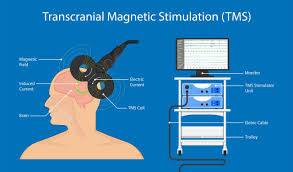
Can I drink alcohol during TMS treatment?
Some patients find that as TMS begins to improve symptoms, their urge to drink decreases naturally. When mental health conditions improve, behaviors associated with self-medication often reduce as well. For individuals already taking antidepressants or other psychiatric medications alongside TMS, moderate drinking should be discussed with a clinician, as alcohol can amplify side effects such as drowsiness, irritability, or sleep disruption.
When people search online for “tms near me”, they will likely find that reputable clinics encourage open communication about lifestyle habits, including alcohol use. Providers typically discuss personalized guidelines during the initial consultation based on patients’ medical history, symptom severity, and overall goals. If a patient wants to drink socially during treatment, a provider may recommend limiting intake, avoiding heavy drinking, or tracking mood more carefully afterward.
So, can you drink alcohol during TMS treatment? In general, moderate drinking is not strictly forbidden, but minimizing alcohol consumption is strongly recommended to support the brain’s healing process and ensure that treatment results are clear, consistent, and long-lasting. Every individual’s situation is different, so the best approach is to speak honestly with your TMS provider about drinking habits and any concerns you may have.
Ultimately, making thoughtful choices while undergoing TMS can enhance therapeutic success and contribute to healthier long-term outcomes. By prioritizing brain health during treatment, patients give themselves the best opportunity to achieve meaningful and lasting improvement.